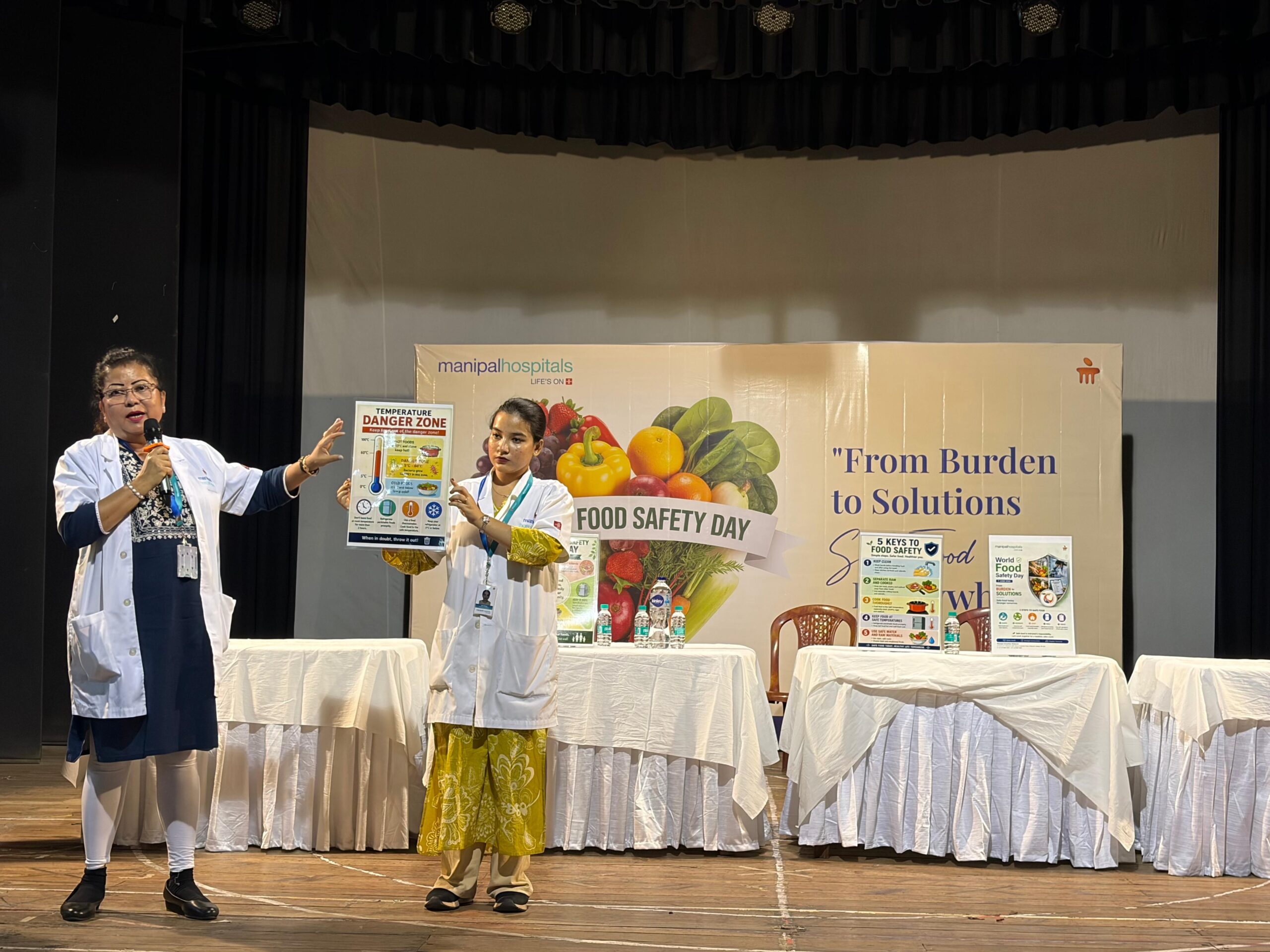
Kolkata, 9th June 2026: To address the importance of promoting safe food practices and protecting public health, Manipal Hospital, Dhakuria, observed World Food Safety Day through an awareness session around the most important theme, “From Burden to Solutions: Safe Food Everywhere”. This session intended to explain about the importance of food safety, hygiene, and preventive measures that can help reduce the growing burden of foodborne diseases. The gathering witnessed the presence of Dr. Goutam Das- Consultant, Gastroenterology, Manipal Hospital, Dhakuria, Dr. Debottam Bandhopadhyay- Consultant, Gastroenterology Medical, Manipal Hospital, Dhakuria. Vijaya Agrawal- Chief Dietician Manipal Hospital, Dhakuria, and Sunanda Ghosh- Clinical Dietician- Manipal Hospital, Dhakuria. The experts shared valuable insights on safe food handling, maintaining hygiene in daily life, and the importance of consuming nutritious and healthy food through mindful dietary practices. Also, students from the Bhawanipore Global Campus and more than 15 senior citizens participated in this session. To garner engagement and learning, the session included interactive memory games and awareness activities which focused on food safety which followed by prize distribution ceremony to the winners. The session highlighted the global and national concern of foodborne diseases and how it creates a havoc over public well-being.
According to World Health Organization (WHO), almost one in every nine people globally, is predicted to fall severely ill every year after consuming unhealthy, unsafe or contaminated food. It results in death of nearly 1.52 million people annually. Foods which are contaminated with harmful bacteria, parasites, prions, or chemical hazards, can cause more than 200 different foodborne diseases, ranging from diarrhoea to cancers. Children under five years are most vulnerable to experience health hazards due to unsafe food. Foodborne diseases not only affect individual health but also create a disruption on socioeconomic development by straining health-care systems, and hurting national economies, trade and tourism. By initiating this session, Manipal Hospital Dhakuria aimed to raise awareness about food safety and handling, embedding proper food hygiene practices, proper food storage, and adapting to healthy food choices.
Stating about the importance of food safety, Dr. Goutam Das said, “Food safety and digestive health are deeply interconnected. Every year, we witness a significant rise in patients suffering from foodborne illnesses, gastrointestinal infections, and related complications caused primarily by contaminated food and water. While many cases can be treated effectively, some may lead to severe dehydration, liver complications, life-threatening infections, and even fatalities, particularly among children, the elderly, and individuals with weakened immunity. Maintaining proper food hygiene, consuming freshly prepared meals, and ensuring safe drinking water are essential steps toward preventing these diseases and safeguarding long-term health.”
While discussing about the preventions of unsafe food, Dr. Debottam Bandhopadhyay stated that, “Unsafe food continues to remain a major public health concern globally. A large number of gastrointestinal issues we encounter in clinical practice are linked to contaminated, stale, or improperly stored food. In recent years, increasing dependence on junk and processed food among children and young adults has also contributed to rising cases of obesity, diarrhoea, fatty liver disease, and other digestive disorders. Awareness around food safety should begin at home and become a part of everyday lifestyle practices. Simple measures such as washing fruits and vegetables thoroughly, reducing the intake of fast food, consuming freshly cooked meals, and storing food properly can significantly reduce the risk of foodborne illnesses and their long-term health consequences.”
While speaking about the nutritional benefits, Vijaya Agrawal- Chief Dietician Manipal Hospital Dhakuria, explained, “Consumers should pay close attention to food quality and hygiene, especially while consuming packaged or ready-to-eat items. Checking expiry dates, reheating stored food properly, avoiding unhygienic street food and beverages, and limiting the intake of highly processed and junk food are important habits that can help prevent infections while ensuring optimal nutritional benefits. Building awareness around food safety is essential not only for individual well-being but also for creating healthier families and communities.”
Speaking on the impact of good food choices and maintain hygiene, Sunanda Ghosh- Clinical Dietician- Manipal Hospital Dhakuria, said, “Food safety is not limited to preventing foodborne diseases; it is equally about ensuring that individuals receive proper nutrition in the safest possible manner. Vulnerable groups such as children, pregnant women, elderly individuals, and patients with chronic illnesses require special attention when it comes to meal planning and food hygiene. Freshly prepared meals, balanced nutrition with adequate fruits, vegetables, and proteins, along with maintaining proper kitchen hygiene, play a crucial role in preventing contamination and infections.”
Experts at Manipal Hospital Dhakuria Stress Safe Food Practices to Protect Public Health
 By
Ramiz
By
Ramiz